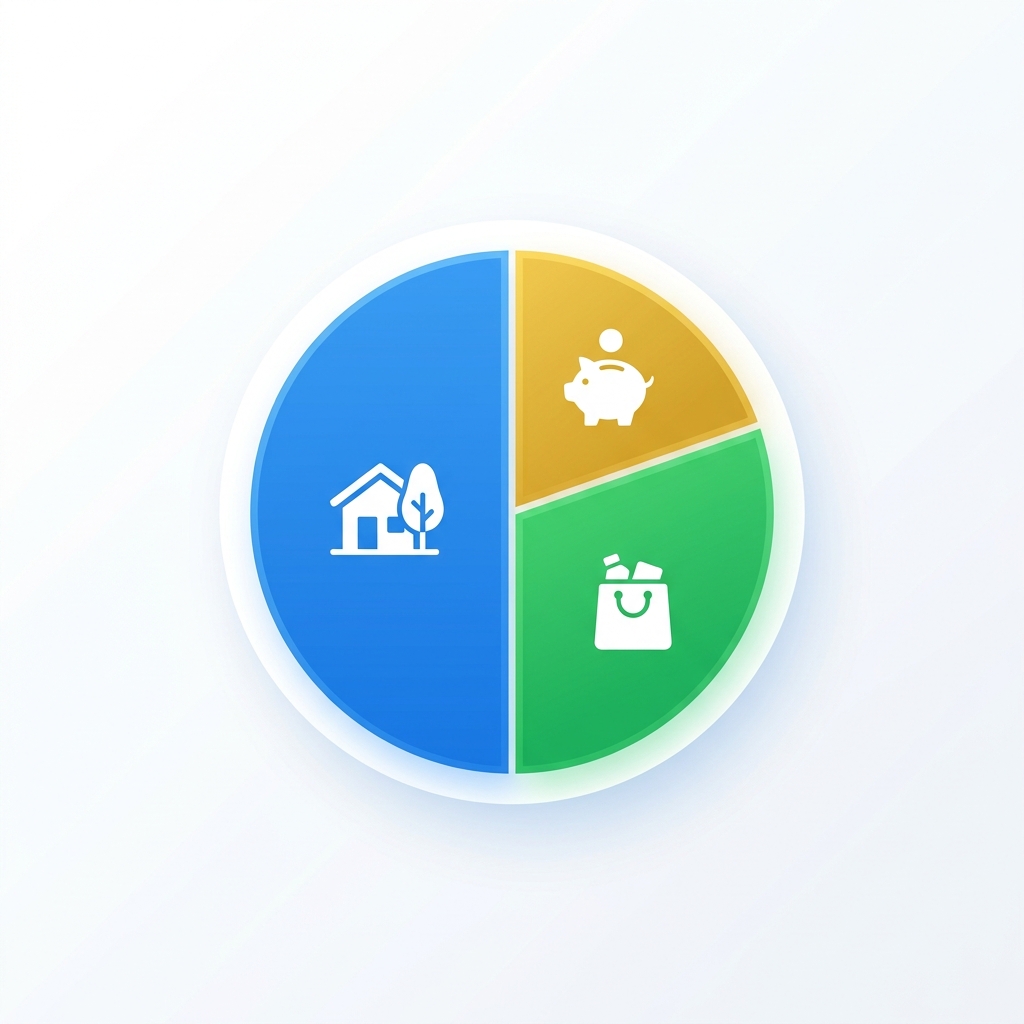
What is the 50/30/20 Budget Rule?
If you find budgeting overly complicated, you are not alone. Tracking every single penny of your paycheck can lead to spreadsheet fatigue. That's exactly why the 50 30 20 budget rule has become one of the most popular financial planning methods in the world.
The 50/30/20 rule is a simple, straightforward framework that tells you roughly how to divide your after-tax income (your net pay) across three major categories: Needs, Wants, and Savings.
The 50/30/20 Breakdown
Here is exactly how the math works:
- 50% Needs: Half of your income goes to expenses you absolutely must pay to survive. This includes your rent or mortgage, groceries, utilities, basic transportation, and minimum debt payments.
- 30% Wants: Almost a third of your income is for lifestyle choices. This includes dining out, entertainment, vacations, streaming subscriptions, and hobbies.
- 20% Savings & Debt Payoff: The final portion goes toward building your net worth. This means emergency funds, retirement investments, and paying down toxic debt (like high-interest credit cards).
Real-World Example
Let's say your take-home pay is $4,500 per month.
| Category | Percentage | Monthly Amount |
|---|---|---|
| Needs | 50% | $2,250 |
| Wants | 30% | $1,350 |
| Savings/Debt | 20% | $900 |
If you can stick to this $900/month savings goal, putting that money into a compounding investment account or a high-yield savings goal fund will drastically accelerate your path to financial independence.
Why the 50 30 20 Rule Works
Most diets fail because they are too restrictive. The exact same principle applies to budgeting.
The brilliance of the 50/30/20 rule is that it explicitly gives you permission to spend 30% of your money on fun. By clearly defining what you are allowed to spend guilt-free, you avoid the burnout that causes so many people to abandon their budgets entirely.
Furthermore, dedicating 20% of your income to savings ensures that you are consistently building wealth and beating inflation over the long term.